How suspension wear quietly damages tires, affects alignment, and reduces vehicle control.
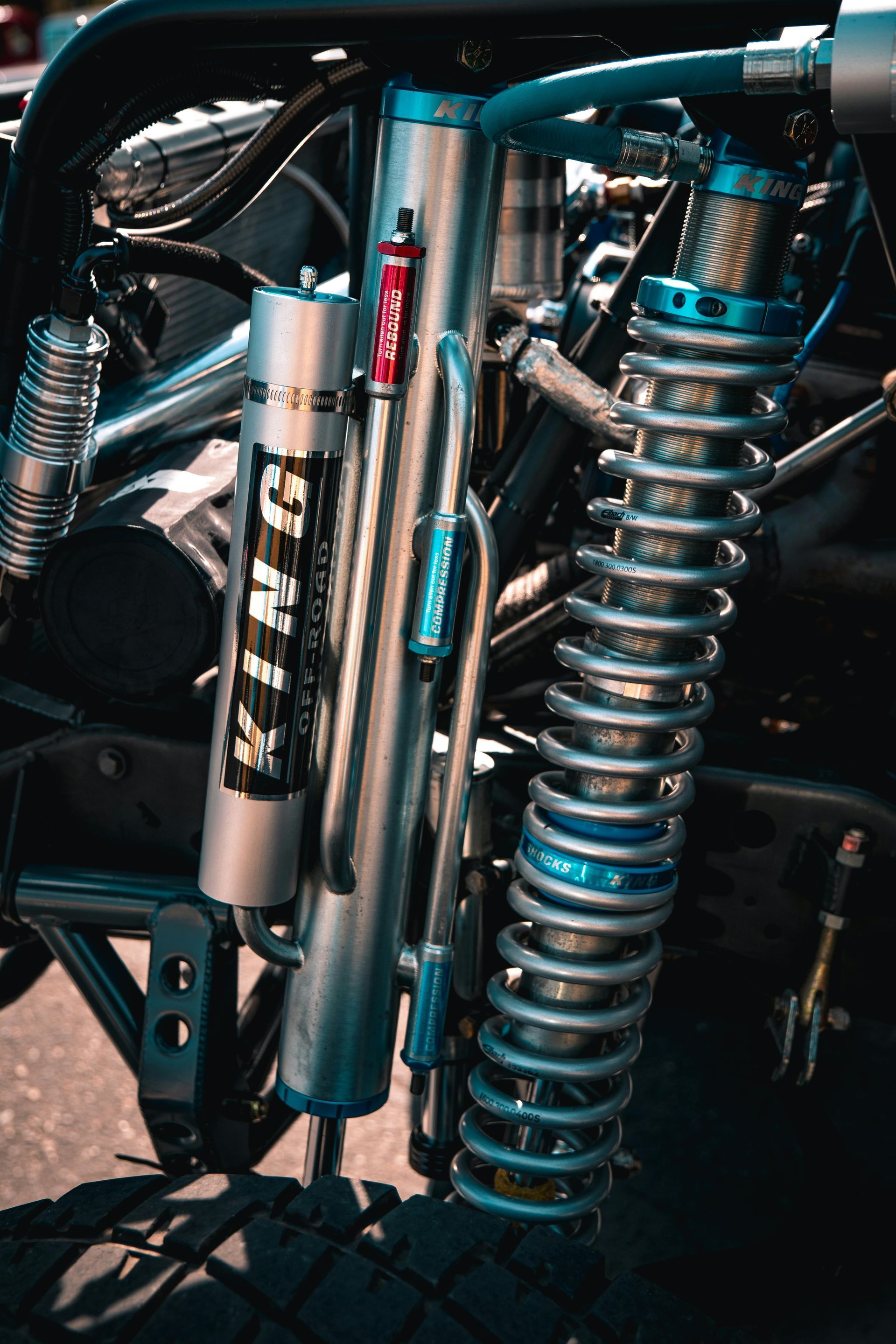
If your vehicle feels bouncy, unstable, or uneven on the road, worn struts could be the reason.
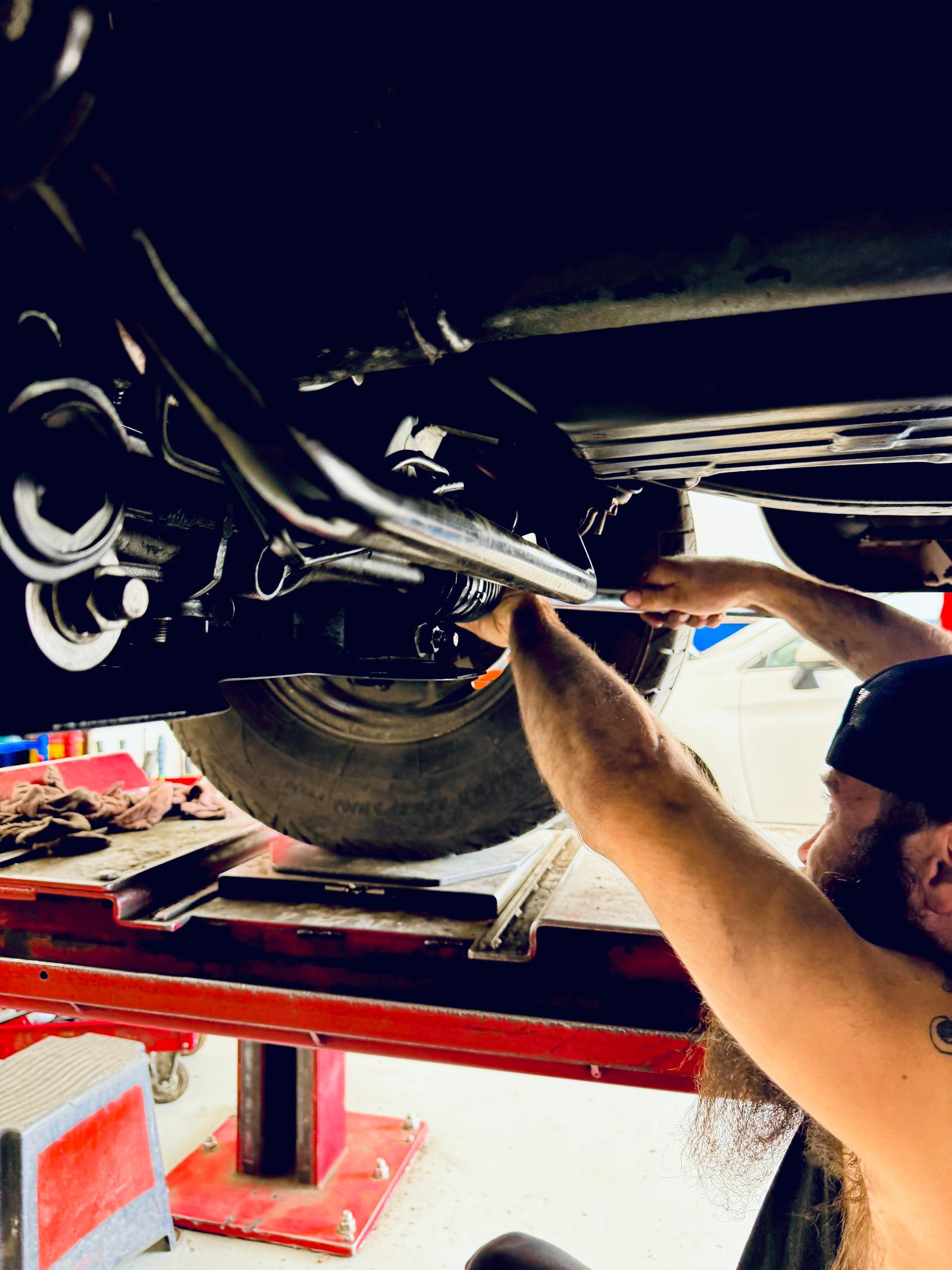
Many drivers don’t realize that suspension components like struts and shocks don’t just affect comfort — they directly impact tire wear, braking performance, and overall safety.
In Central Oregon, where road conditions, winter potholes, and temperature swings are common, suspension wear can happen faster than expected.
What Do Struts Actually Do?
Struts are part of your vehicle’s suspension system. They:
- Keep your tires firmly planted on the road
- Absorb bumps and vibrations
- Maintain proper vehicle alignment angles
- Support overall ride stability
When struts begin to wear out, your tires lose consistent contact with the road surface.
That’s where the real problems begin.
How Worn Struts Damage Your Tires
Worn struts can cause:
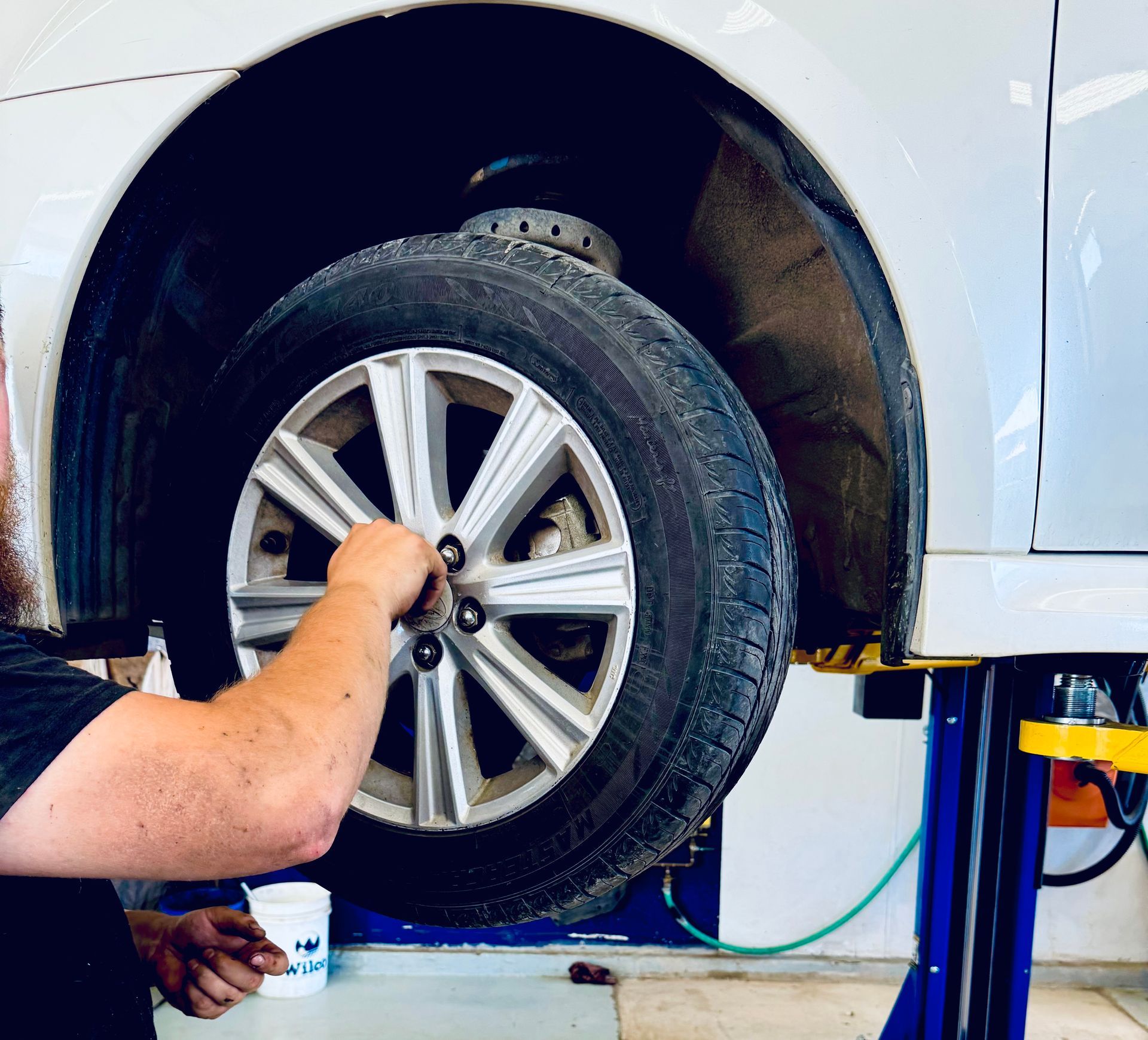
• Uneven tire wear (cupping or scalloping)
• Reduced traction
• Longer stopping distances
• Steering instability
• Alignment issues
If you notice your tires developing uneven wear patterns, it’s often not just an alignment issue — suspension wear may be contributing.
Replacing tires without addressing worn struts can lead to premature tire failure again.
Common Signs Your Struts May Be Failing
You may notice:
- Excessive bouncing after hitting bumps
- Nose diving when braking
- Rear squatting during acceleration
- Vehicle drifting or feeling unstable
- Uneven or rapid tire wear
- Fluid leaking from the strut housing
Even if the ride “feels fine,” performance can decline gradually over time.
Why Suspension Matters More Than You Think
Suspension doesn’t fail suddenly like a battery.
It slowly degrades.
Because the change is gradual, many drivers adjust without realizing performance has declined.
But worn suspension affects:
- Braking performance
- Tire life
- Steering precision
- Overall control in emergency situations
In winter conditions or sudden stops, that difference matters.
When Should Struts Be Replaced?
Most vehicles begin seeing noticeable wear between 70,000–100,000 miles, but road conditions and driving habits play a major role.
If your vehicle is over 80,000 miles and struts have never been evaluated thoroughly, it’s worth having them inspected.
Final Thoughts
Tires, alignments, and suspension all work together.
If one part of that system wears out, the others are affected.
Addressing suspension wear early can:
- Protect your tires
- Improve ride comfort
- Restore stability
- Prevent larger repair costs later
If you’re unsure about your vehicle’s suspension health, a proper inspection can give you clarity — so you can make informed decisions without pressure.